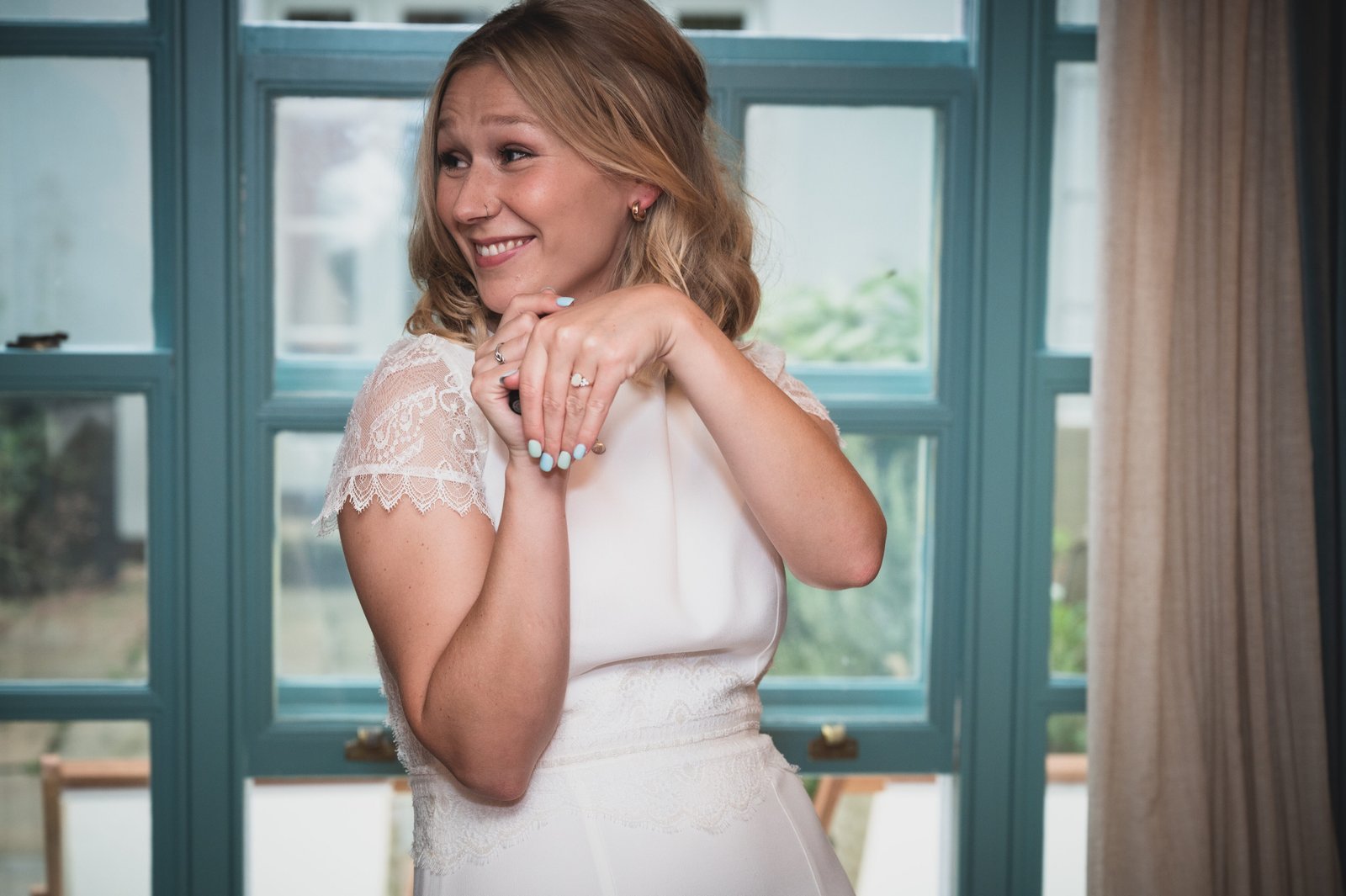
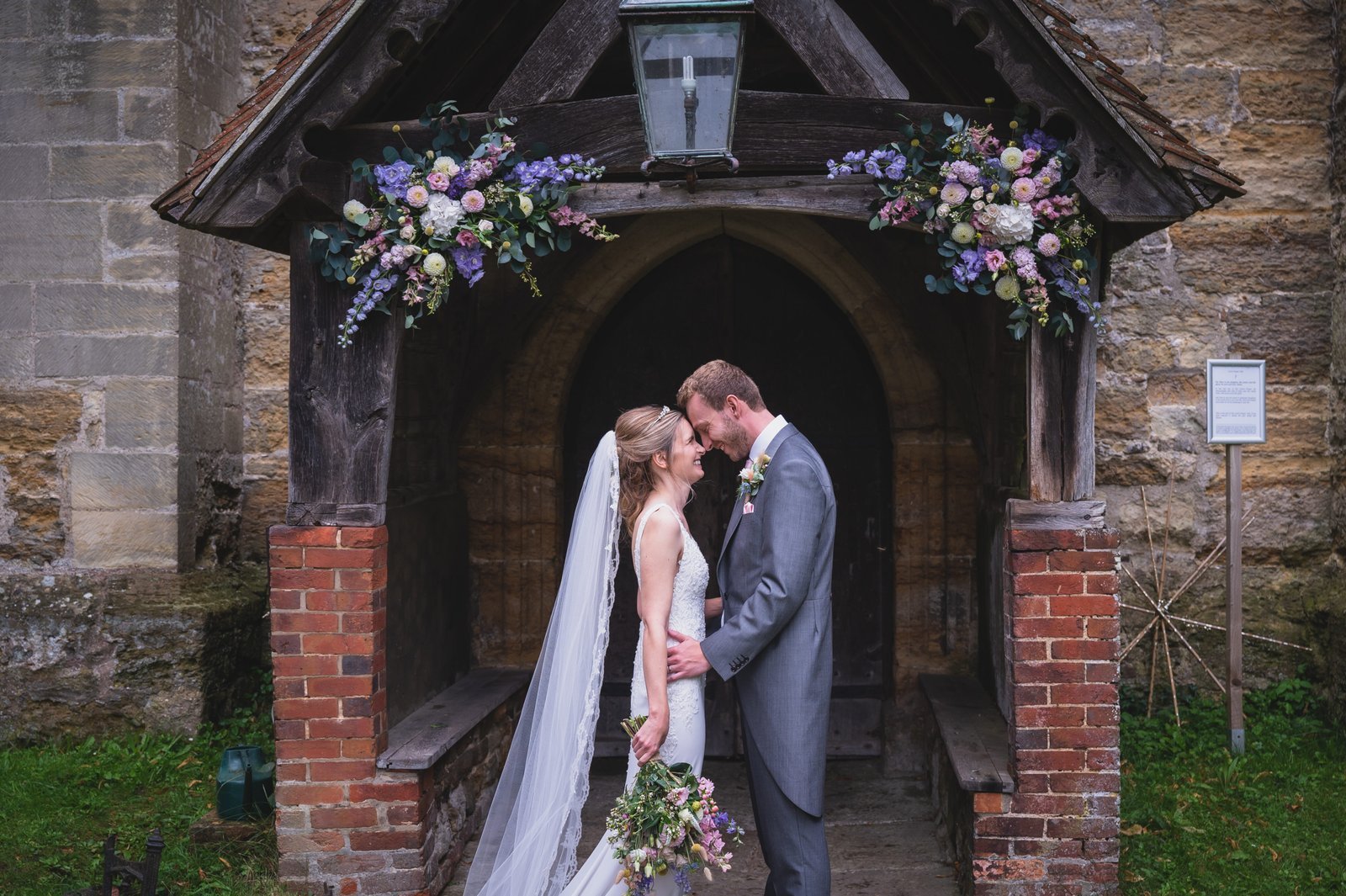
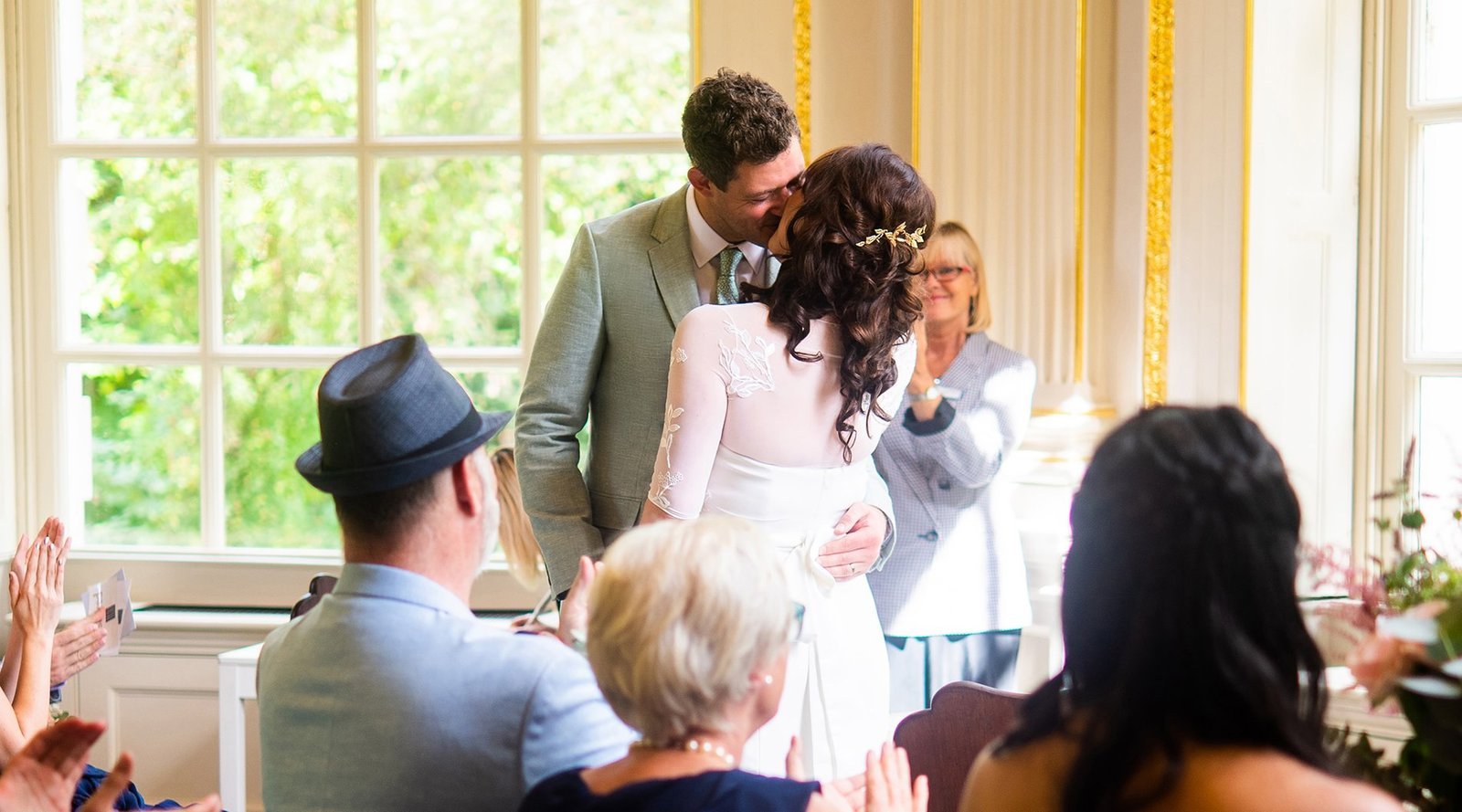
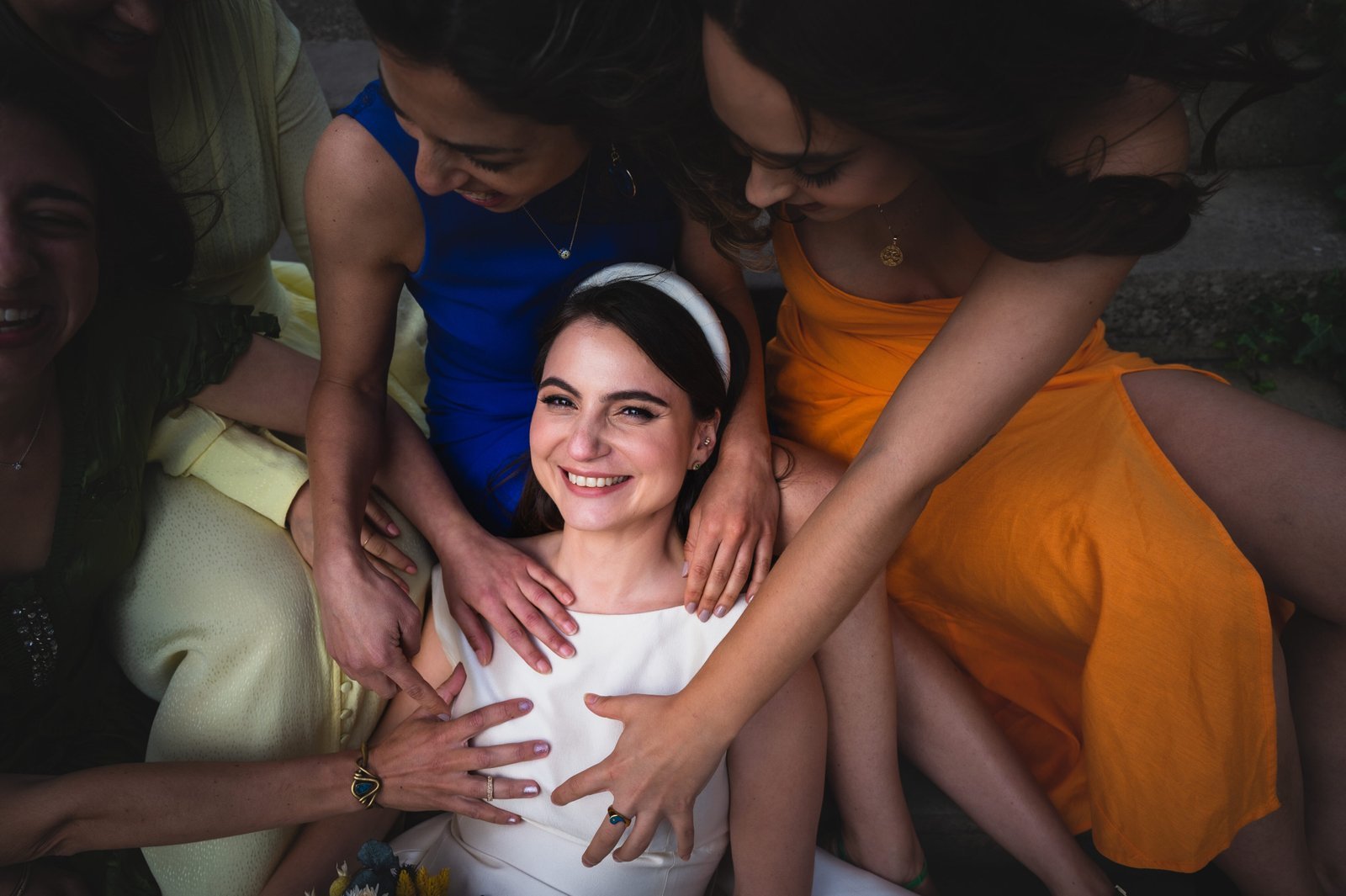
Everything you need to know - from choosing your venue and setting a budget to finding the right photographer, picking your dress, and planning every last detail. Written by a wedding photographer covering London, Greater London, Kent, Essex and surrounding areas.
Download a beautifully designed A4 PDF you can print, pin to your fridge, and tick off as you go.
12 Months Out
Setting the foundations
Set your wedding budget and discuss financial contributions from family
Start compiling your guest list - aim for a rough number to guide venue choice
Assemble your wedding team: maid of honour, best man, bridesmaids, groomsmen
Choose your wedding date (consider season, bank holidays, venue availability)
Research and book your venue - the single most important early decision
Discuss wedding style and theme together; create mood boards on Pinterest
Start looking at wedding insurance
Photographer tip: Venues book up fast - especially for summer Saturdays. Once you've found "the one", don't wait. The same goes for your photographer - the best ones are booked 12+ months ahead.
11 Months Out
Book your dream team
Book your wedding photographer and videographer
Research and book your caterer (or confirm venue catering)
Book your florist - share your mood board and colour palette
Book your DJ, band, or entertainment
Consider hiring a wedding planner or day-of coordinator
Send save-the-dates to all guests
10 Months Out
Attire & legalities
Choose and order your wedding dress - alterations take time
Start looking at bridesmaid dresses
Plan groom and groomsmen attire (hire or buy)
Give legal notice of marriage at your local Registry Office
Book your officiant or registrar
8 Months Out
Ceremony & rings
Plan your ceremony - readings, music, order of service
Choose your wedding rings and arrange engraving if desired
Meet with your photographer to discuss styles, shot list, and timeline
Start planning your wedding cake or dessert table
Arrange any religious or cultural ceremony requirements
Photographer tip: This is the perfect time for a pre-wedding shoot. It helps you feel comfortable in front of the camera, and the photos are wonderful for your invitations or a guest book.
7 Months Out
Honeymoon dreams
Book your wedding night accommodation
Research and book your honeymoon destination
Check passport validity and visa requirements
Arrange any vaccinations or travel insurance needed
6 Months Out
Invitations & transport
Design, order, and send your wedding invitations
Set up your wedding website with all the details guests need
Plan wedding day transport for the couple, bridal party, and guests
Start thinking about table decorations and centrepieces
Create your wedding gift registry
5 Months Out
Beauty & rehearsal dinner
Book your hair and makeup artist
Schedule hair and makeup trials
Start planning your rehearsal dinner
Arrange hen and stag celebrations
Order your wedding favours
4 Months Out
Gifts & seating
Purchase gifts for your wedding party
Chase any outstanding RSVPs
Start your seating plan - it will change, but start early
Book wedding morning accommodation for the bridal party
Plan your first dance and any choreography
3 Months Out
Confirm everything
Confirm all details with every supplier - arrival times, payment schedules, contacts
Final dress fitting and alterations
Apply for any name changes (passport, driving licence)
Arrange your marriage licence if not yet done
Order your order of service and any day-of stationery
2 Months Out
Vows & speeches
Write your vows - personal, heartfelt, and practised
Write (or finalise) your wedding speeches
Finalise your seating plan
Arrange a final meeting with your photographer to confirm the timeline
Break in your wedding shoes at home
1 Month Out
The final countdown
Create a detailed wedding day timeline and share with all suppliers
Confirm final headcount with caterer and venue
Prepare cash or cheques for tips and final payments
Pack for your honeymoon
Have a final dress fitting
Delegate wedding day tasks to trusted family and friends
Photographer tip: Share your day's timeline with me by this point. Knowing when key moments happen means I'll be in the right place at the right time - and you'll never miss a shot.
The Week Before
Almost there
Pick up your wedding dress, rings, and all attire
Prepare welcome bags for out-of-town guests
Confirm transport and accommodation arrangements
Prepare an emergency kit (sewing kit, plasters, painkillers, tissues)
Attend your wedding rehearsal with the bridal party and officiant
Relax and enjoy your rehearsal dinner
Your Wedding Day
This is it
Eat a proper breakfast - you'll need the energy
Get ready with your wedding party and enjoy every second
Trust your suppliers - they know what they're doing
Take a quiet moment together after the ceremony, just the two of you
Dance, laugh, cry, and savour every single moment
Photographer tip: The best wedding photos happen when you forget the camera is there. Relax, be yourselves, and I'll capture the moments that matter - the ones you'll look back on for the rest of your lives.
After the Wedding
Happily ever after
Enjoy your honeymoon - you've earned it
Send thank-you notes to your guests within 6 weeks
Review your suppliers - it means the world to small businesses
Preserve your wedding dress if you'd like to keep it
Order prints and an album from your wedding photos
Start your new life together
In-Depth Guide
How to Budget Your Wedding
The average UK wedding costs around £20,000–£30,000, but yours could be £5,000 or £80,000 - what matters is spending intentionally on the things that matter most to you.
Setting Your Total Budget
Sit down together and have an honest conversation. What can you afford? Will family contribute? Are you saving over time? Set a realistic total and add a 10% contingency buffer - unexpected costs always appear.
How to Split Your Budget
A typical breakdown looks something like this, though your priorities may shift things around:
Venue & catering: 40–50% - by far the biggest spend. This includes the venue hire, food, drink, and any staffing.
Photography & videography: 10–15% - these are the only things you'll have left after the day. Don't cut corners here.
Entertainment: 5–8% - DJ, band, photo booth, any evening entertainment.
Stationery: 2–3% - save-the-dates, invitations, order of service, table plan.
Transport: 2–3% - bridal car, guest buses, taxis.
Wedding rings: 2–3%
Cake: 1–2%
Favours & gifts: 1–2% - for guests and your wedding party.
Contingency: 10% - for those "oh, we didn't think of that" moments.
Money-Saving Tips That Actually Work
Get married on a Friday or Sunday - venues can be 20–40% cheaper than Saturdays
Consider off-peak months (November–March) for significant venue savings
DIY your stationery and favours - but don't DIY your photography
Limit the evening guest list - food and drink costs are per head
Ask about venue packages that bundle catering and hire together
Use seasonal flowers - imported out-of-season blooms cost significantly more
Skip the wedding car upgrade - a beautifully decorated standard car looks just as good in photos
Photographer tip: Track every penny from day one. Use a simple spreadsheet with columns for estimated cost, deposit paid, balance due, and due date. The couples who stay on budget are the ones who track it religiously.
In-Depth Guide
Choosing Your Wedding Venue
Your venue sets the tone for everything - the style, the feel, the photos, the logistics. It's the biggest decision you'll make and typically the first thing to book.
Indoor vs Outdoor Weddings
Indoor weddings give you control - weather, lighting, temperature, and sound are all predictable. Country houses, hotels, barns, and galleries all offer beautiful indoor spaces with character.
Outdoor weddings are stunning but need a solid Plan B. In the UK, weather is never guaranteed. Ask: does the venue have a covered backup area? A marquee on standby? What happens if it rains at 2pm on a July Saturday? The best outdoor venues have seamless wet-weather alternatives.
Marquee weddings (on private land or a hired field) give total creative freedom but come with hidden costs - flooring, power, toilets, lighting, heating, furniture hire, and catering all need arranging separately.
What to Look For on a Venue Visit
Capacity: Does it comfortably hold your guest count for both the ceremony and reception? Check ceremony room and dining room limits separately.
Light: Visit at the time of day you'd have your ceremony. Natural light makes a huge difference to photographs and atmosphere.
Exclusivity: Do you get exclusive use, or will other events run alongside? Exclusive use means your guests can roam freely.
Accommodation: Are there rooms on-site or nearby? This is a big plus for guests travelling from afar.
Curfew: What time does music need to stop? Some venues enforce 11pm - others go to 1am.
Catering: Do they have an in-house kitchen or do you bring your own caterer? Both have pros and cons.
Outside space: A garden, terrace, or courtyard is invaluable for drinks reception photos and evening air.
Access: Is there parking? How will elderly or disabled guests manage? Are there steps?
Restrictions: Can you use candles, confetti, sparklers? What about music volume?
Questions to Ask the Venue
What's included in the hire fee - tables, chairs, linen, staff?
Can we hold both the ceremony and reception here?
What's the wet-weather backup plan for outdoor spaces?
Do you have a list of preferred suppliers, or can we choose our own?
What time can we access for setup on the day?
Is there a bridal suite for getting ready?
What's the latest we can play music?
Are there any additional charges we should know about (corkage, cake cutting, evening buffet)?
What's your cancellation and postponement policy?
Can we see photos from recent weddings held here?
Photographer tip: When I visit a venue, I look at the light first - where it falls at different times of day, where the best portrait spots are, and whether there are sheltered areas for couples shots if it rains. Ask your photographer which venues they love shooting at - they'll have strong opinions.
In-Depth Guide
Church, Civil or Outdoor?
Your ceremony type shapes the entire feel of your wedding. Here's what you need to know about each option in England and Wales.
Church of England Wedding
A traditional church wedding has a timeless beauty - the architecture, the hymns, the history. You'll need to meet with the vicar, attend services, and possibly read banns over three consecutive Sundays before the wedding. At least one of you needs a "qualifying connection" to the parish (live there, were baptised there, or a parent was married there). Church ceremonies follow a set liturgy but you can personalise readings and hymns.
Civil Ceremony
Held at a registry office or any licensed venue (hotels, stately homes, barns). No religious content is allowed - no hymns, no prayers, no religious readings. You do, however, have much more freedom with personal vows, secular readings, and music choices. You'll need to give legal notice at your local register office at least 29 days before the wedding.
Outdoor & Humanist Ceremonies
In England and Wales, outdoor ceremonies are only legally valid at permanently licensed outdoor structures (like a bandstand or garden gazebo at a licensed venue). For a fully outdoor ceremony in a field or forest, many couples have a small legal ceremony at a registry office and a separate humanist or celebrant-led ceremony at their chosen outdoor location. Humanist ceremonies have total freedom - you write every word together with your celebrant.
Other Faith Ceremonies
Jewish, Muslim, Hindu, Sikh, and other faith ceremonies each have their own beautiful traditions, legal requirements, and timelines. Speak to your religious leader early - some require months of preparation, classes, or documentation.
Things to Consider
Do you want a religious, spiritual, or entirely secular ceremony?
How important is it that the ceremony and reception are in the same place?
Are you comfortable with the restrictions of a church or registry office format?
Would you prefer to write your own vows or use traditional ones?
Do you want guests involved (readings, rituals) or a more formal structure?
If outdoors - what's the genuine backup plan if the British weather disagrees?
In-Depth Guide
Choosing Your Wedding Photographer
Your photographs are the only part of your wedding day you get to keep and relive forever. Flowers fade, cake gets eaten, but your images will be on your wall for decades. Here's how to choose the right photographer.
Styles of Wedding Photography
Documentary / reportage: The photographer blends into the background and captures moments as they happen - unposed, natural, authentic. You'll see genuine laughter, tears, and joy.
Traditional / classic: More posed, formal group shots and set-piece portraits. Think classic family groups on the church steps.
Fine art: Highly stylised, editorial-quality images with a strong creative vision. Often uses dramatic lighting, interesting compositions, and heavy editing.
Hybrid: A blend of documentary and posed - natural storytelling with some guided portraits mixed in. This is what most couples want.
What to Look For
Consistent portfolio: Don't just look at the "best 20" on their website - ask to see full wedding galleries. Can they tell the story of an entire day?
Real emotion: Look for photos that make you feel something. Technical perfection means nothing if the photos feel cold.
Experience with your venue type: A photographer comfortable in dark churches may struggle outdoors, and vice versa. Ask if they've shot at your venue.
Personality fit: You'll spend more time with your photographer than almost anyone else on your wedding day. You need to genuinely get on with them.
Second shooter: For larger weddings, a second photographer catches moments the main photographer physically can't - like the groom's reaction as the bride walks down the aisle.
Turnaround time: When will you see your photos? 4–8 weeks is standard. If someone promises "next day", question the editing quality.
Questions to Ask Your Photographer
Can I see 2–3 full wedding galleries, not just highlights?
How would you describe your style?
Have you shot at my venue before?
How many hours of coverage do you recommend for my day?
Do you work with a second shooter?
What happens if you're ill on the day - do you have backup?
How many edited images will we receive?
What format do we get the images in - digital, USB, online gallery?
Do you offer engagement or pre-wedding shoots?
What's your payment schedule and cancellation policy?
Do you have public liability insurance?
Red Flags to Watch For
No full wedding galleries available - only "best of" collections
Heavily filtered or overly edited images that mask poor composition
No contract or vague terms
Unrealistically cheap prices - if it seems too good to be true, it probably is
Poor communication or slow replies before you've even booked
No insurance or backup plan for emergencies
Photographer tip: Book a pre-wedding shoot. It's not just for pretty engagement photos - it's so you feel completely comfortable with your photographer before the big day. By the time your wedding comes, I'll feel like an old friend with a camera, not a stranger following you around.
In-Depth Guide
Choosing a Wedding Videographer
Photos capture a moment. Video captures the emotion, the voice, the movement. If budget allows, a videographer adds something truly irreplaceable.
What to Look For
Cinematic vs documentary: Cinematic films are carefully edited with music, colour grading, and transitions. Documentary films capture the day more rawly with longer, uncut sequences. Most videographers offer a blend.
Audio quality: Watch their films with sound on. Can you hear the vows clearly? The speeches? Good audio separates professionals from amateurs.
Discreet equipment: Large rigs, drones buzzing overhead, and bright LED panels can be intrusive. Ask what equipment they use and how visible they'll be.
Full films vs highlights: Most packages include a short highlight reel (3–5 minutes) and a longer feature film (20–40 minutes). Some offer raw ceremony and speech footage too.
Working with your photographer: Ask if they've worked with your photographer before, or check they're happy to coordinate. The two need to complement each other, not compete.
Questions to Ask Your Videographer
Can I see a full wedding film, not just a highlight reel?
How do you capture audio during the ceremony and speeches?
How many videographers will be there on the day?
What's the turnaround time for the final edit?
Will you coordinate with my photographer?
Do you use drones? (And do you have the CAA licence?)
What's included - highlight reel, full film, raw footage?
Do you have insurance and a backup plan?
In-Depth Guide
Finding Your Wedding Dress
This is one of the most personal decisions you'll make. There's no wrong answer - only what feels right when you put it on.
When to Start Looking
Start browsing 10–12 months before the wedding. Most bridal gowns are made to order and take 4–6 months to arrive, plus you'll need 2–3 fittings for alterations. Off-the-rack and sample sales can work with shorter timelines.
Preparing for Appointments
Bring a maximum of 2–3 people whose opinion you trust - too many voices create confusion
Wear nude or seamless underwear and bring a strapless bra
Take photos of styles you love, but stay open-minded - the dress you fall for may be nothing like what you imagined
Set a clear budget with the consultant before trying anything on. Nothing's worse than falling in love with a dress you can't afford.
Book appointments at 2–3 shops to start. Don't book 10 - decision fatigue is real.
Silhouettes to Know
A-line: Fitted at the waist, flows out gently. Flatters almost every body shape.
Ballgown: Full, dramatic skirt with a fitted bodice. The classic princess look.
Mermaid/fishtail: Fitted through the body and flares at the knee. Stunning, but consider how you'll sit and dance.
Sheath/column: Slim and straight from top to bottom. Elegant and modern.
Tea-length/short: Perfect for more relaxed, vintage, or outdoor weddings.
Things People Forget
Alterations typically cost £200–£500 on top of the dress price
Factor in a veil, shoes, accessories, and undergarments
Think about your venue - a cathedral train won't work on a beach
Consider the weather - a heavy satin gown in August will be uncomfortable
Make sure you can move, sit, eat, dance, and breathe comfortably in it
Photographer tip: From a photography perspective, the dress that moves well photographs beautifully. Flowing fabrics, gentle trains, and delicate details all catch the light. If you're choosing between two dresses and one of them flows - go with that one.
In-Depth Guide
Hair & Makeup
Your hair and makeup need to last from morning prep through to the last dance - and look beautiful in photos under every kind of light.
Choosing Your Artist
Look at their portfolio - specifically photos taken by professional photographers at real weddings, not studio selfies
Check they have experience with your skin type, tone, and hair texture
Book a trial 3–5 months before the wedding. Wear a white top and take photos in natural light afterwards to see how the makeup translates
If you want bridesmaids and mothers done too, check pricing per person and make sure the artist can manage the timing
On the Day
Allow 60–90 minutes for bridal makeup and 45–60 minutes for bridal hair
Bridesmaids typically need 30–45 minutes each. Work backwards from your ceremony time.
Have your makeup done near a window - natural light is best for application
Bring a touch-up kit: blotting papers, lipstick, setting spray, bobby pins
Waterproof mascara is non-negotiable - you will cry
Questions to Ask
Can I see photos of real brides you've worked with (not models)?
Do you offer a trial, and what does it cost?
How many people can you do on the morning, and what's the timing?
What products do you use? Are they long-lasting and photograph well?
Do you travel to the venue, and is there a travel fee?
What's your cancellation policy?
In-Depth Guide
Wedding Transport
Transport isn't just about getting from A to B - it's about timing, logistics, and a few moments of calm before you arrive.
What You Need to Arrange
Bride to ceremony: The iconic journey. Classic car, vintage Rolls Royce, or even a London black cab - choose something meaningful to you.
Couple from ceremony to reception: If they're at different locations, this is your chance for a quiet drive together as newlyweds. Some couples use this time for couples photos en route.
Bridal party: Bridesmaids and parents need transport too - don't leave them stranded at the getting-ready location.
Guests: If the ceremony and reception are in different locations, arrange a coach or bus. If parking is limited, consider a shuttle from a nearby car park.
End of night: Pre-book taxis or a minibus for guests. After midnight, availability drops fast.
Tips
Do a test drive of the route before the wedding - check journey times with traffic
Build in 15 minutes of buffer time. Running late is stressful for everyone.
Check if the venue has any vehicle access restrictions (narrow lanes, weight limits, low bridges)
Decorate the getaway car if you'd like - ribbon, flowers, or a "Just Married" sign for great photos
In-Depth Guide
Managing Your Guest List
The guest list is where dreams meet budget reality. Every extra guest costs roughly £80–£150 in food, drink, and seating.
How to Build Your List
Each partner writes their own "must invite" list independently, then compare
Create three tiers: A-list (definitely invited), B-list (invited if space allows after A-list RSVPs), and evening-only guests
Set rules early: are children invited? Do single guests get a plus-one? Do work colleagues make the cut?
Be consistent with your rules - if you don't invite one cousin's partner, don't invite another's
Difficult Conversations
Family politics are inevitable. If parents are contributing financially, they may expect input on the guest list - discuss this upfront. If you need to limit numbers, be honest and kind: "We're having a small, intimate wedding" is a perfectly valid reason.
Plus-Ones
A common approach: couples who are married, engaged, or living together get invited as a pair. Single friends may or may not get a plus-one depending on numbers. If someone won't know anyone else at the wedding, offering a plus-one is a kindness.
Children
There's no wrong answer. Some couples love having kids at weddings - they bring energy and spontaneity. Others prefer an adults-only celebration. If you're not inviting children, make it clear on the invitation: "We've reserved [number] seats in your honour" makes it explicit without being blunt.
In-Depth Guide
Best Man & Bridesmaid Responsibilities
Your wedding party aren't just there to look good in photos - they're your support team. Here's what they should expect.
Maid of Honour / Chief Bridesmaid
Organise the hen party (with input from the bride on vibe and budget)
Help with wedding planning - dress shopping, vendor research, DIY projects
Manage the bridesmaids on the morning - make sure everyone's on time and dressed
Hold the bouquet during the ceremony and adjust the train/veil
Be the bride's emotional rock all day - tissues, water, calm reassurance
Give a speech or toast if she'd like to (increasingly popular)
Best Man
Organise the stag do (keep the groom alive and intact)
Look after the wedding rings on the day - have them ready before the ceremony
Help the groom get ready and keep him calm
Act as master of ceremonies if there's no toastmaster - introduce speeches, keep the day flowing
Give the best man speech - funny, heartfelt, and under 7 minutes
Be the point of contact for suppliers arriving on the day
Coordinate the ushers and make sure they know their roles
Bridesmaids
Support the maid of honour with hen party planning and costs
Attend dress fittings as needed
Help with setup on the wedding morning - ironing, steaming, decorating
Look after elderly or solo guests during the reception
Get the dance floor started in the evening
Ushers / Groomsmen
Arrive at the venue 45–60 minutes early to greet guests and hand out orders of service
Direct guests to their seats - "bride's side or groom's side?" (or mix it up)
Help with logistics - parking, umbrellas if it rains, directing people to the bar
Support the best man with any setup or coordination tasks
In-Depth Guide
Wedding Speeches
Speeches are one of the most memorable parts of any wedding - for better or worse. Here's how to get them right.
Traditional Running Order
Father of the bride: Welcomes guests, shares memories of the bride growing up, welcomes the groom to the family, raises a toast to the couple.
The groom: Thanks the father of the bride, thanks both sets of parents, thanks the guests, says something heartfelt about the bride, thanks the bridesmaids, raises a toast to the bridesmaids.
The best man: Thanks the groom on behalf of the bridesmaids, tells funny stories about the groom, says something genuine about the couple, raises a toast to the couple.
Modern weddings often break from tradition - the bride may speak, the maid of honour may give a toast, or speeches may come before the meal (takes the pressure off the speakers so they can enjoy their food).
Tips for Great Speeches
Keep it under 5–7 minutes. The audience starts to drift after that.
Write it down and practise out loud at least 3 times. What reads well on paper doesn't always flow when spoken.
Start with something that gets the room's attention - a joke, a memory, or a heartfelt opening line.
Avoid in-jokes that only 3 people will understand
Never mention exes. Ever.
End on an emotional high - a genuine, heartfelt toast that brings the room together
If you're nervous, focus on the couple - it's about them, not your performance
Photographer tip: Let me know the speech order in advance. I'll position myself to catch both the speaker and the couple's reactions - those reaction shots are often the most powerful images from the entire day.
In-Depth Guide
Food, Drink & Cake
Your wedding food sets the tone for the celebration. Whether it's a five-course sit-down or street food trucks, it needs to be good, generous, and well-timed.
Catering Styles
Sit-down meal: Classic and elegant. Typically 3 courses, sometimes with canapés during the drinks reception. Gives structure to the day and works well with speeches between courses.
Buffet: More relaxed, encourages mingling, and can offer more variety. Works well for less formal venues. Can be harder to manage timing.
Family-style sharing: Large platters placed on tables for guests to serve themselves. Creates a warm, communal atmosphere.
Street food / food trucks: Fun, modern, and perfect for festival-style outdoor weddings. Consider how queuing works for large groups.
Afternoon tea: Charming for smaller, daytime weddings. Finger sandwiches, scones, and cake in a relaxed setting.
Things to Think About
Always do a menu tasting before committing - what looks good on paper doesn't always translate
Collect dietary requirements with your RSVPs: vegetarian, vegan, gluten-free, allergies, halal, kosher
Feed your suppliers - your photographer, videographer, DJ, and coordinator need a meal too. Hot meals keep them performing their best.
Don't forget the evening food - after hours of dancing, a late-night snack is always a hit. Pizza, fish and chips, bacon rolls, or a cheese table.
Drinks packages are usually better value than open bars - calculate per-head costs carefully
The Wedding Cake
Order 4–6 months ahead, especially for elaborate designs
Consider flavour variety across tiers - not everyone loves fruit cake
Naked cakes, semi-naked cakes, and cheese towers are all popular alternatives
If budget is tight, a beautiful one-tier display cake with a matching sheet cake in the kitchen gives the visual impact at a fraction of the cost
Some venues charge a cake-cutting fee - always check
Photographer tip: The cake cut is one of the key photos of the day, but it's often rushed. Give it 2 minutes - hold the knife together, look at each other, smile - and I'll make sure you get a beautiful shot rather than a blurry grab.
📄
Take this guide with you
Get the printable A4 checklist - tick off every task from 12 months out to your big day.
Ready to start planning?
Let's capture your story
I'd love to hear about your wedding day. I cover weddings across London, Greater London, Kent, Essex and surrounding areas. Whether you're 12 months away or 12 weeks, get in touch and let's chat.